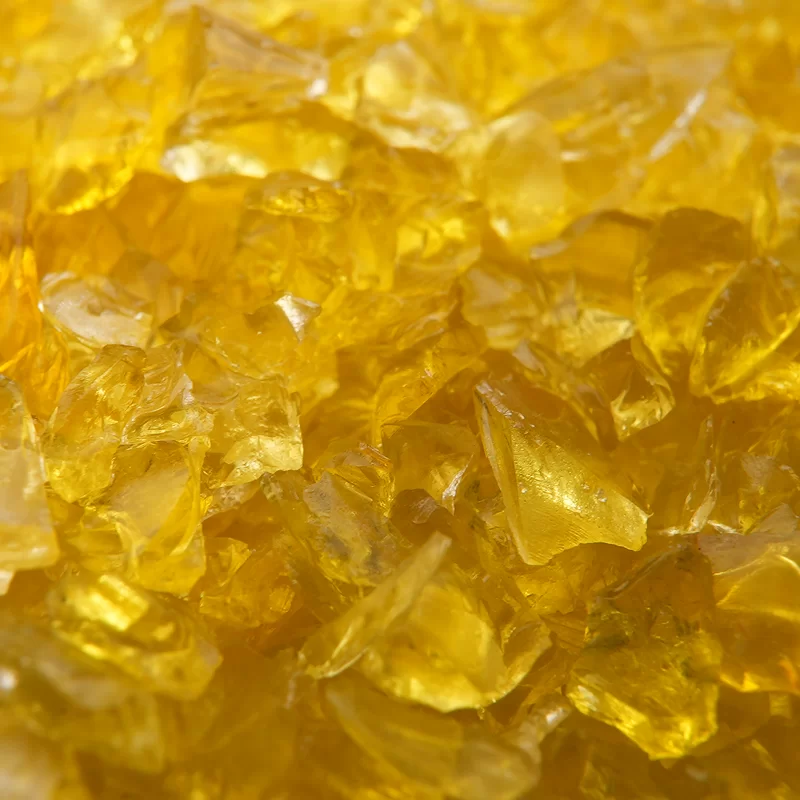
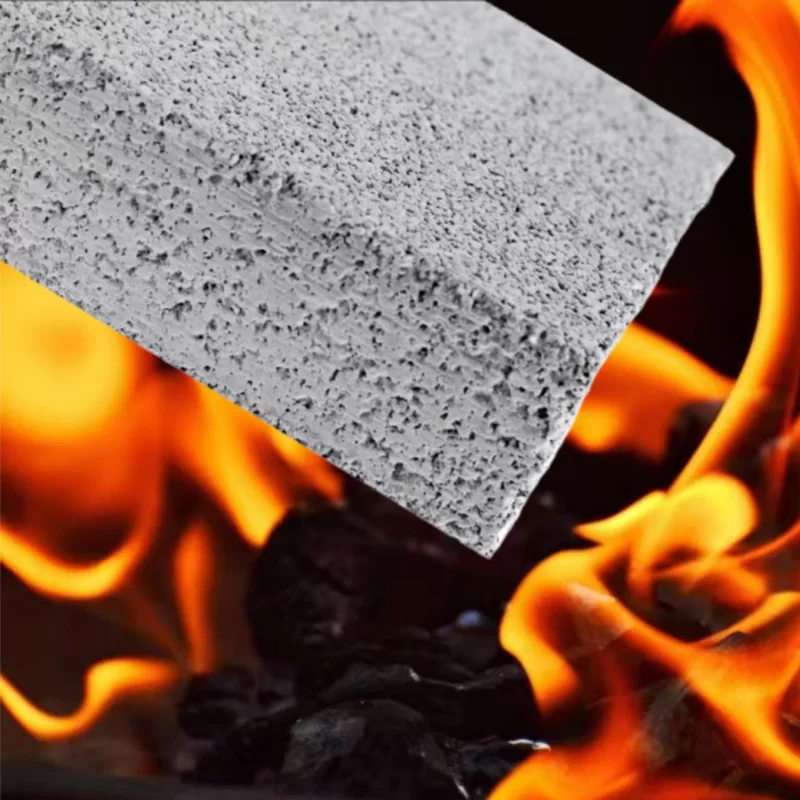
The global market for construction materials is vast and ever-evolving, with pebbles representing a significant, yet often overlooked, segment. Understanding the intricacies of pebbles price is crucial for a wide range of industries, from landscaping and construction to interior design and even artistic applications. Fluctuations in the price of pebbles impact project budgets, material sourcing decisions, and ultimately, the feasibility of numerous ventures.
The demand for pebbles is driven by a confluence of factors, including urbanization, infrastructure development, and a growing preference for natural and sustainable materials. The pebbles price isn’t static; it’s influenced by geographic location, stone type, size, color, and the overall supply chain dynamics. Furthermore, rising transportation costs and environmental regulations are exerting increasing pressure on pebble producers and distributors.
Consequently, a thorough understanding of the components impacting pebbles price is not merely a matter of cost-saving but a strategic imperative for businesses and individuals alike. This knowledge empowers informed decision-making and mitigates potential risks associated with material procurement.
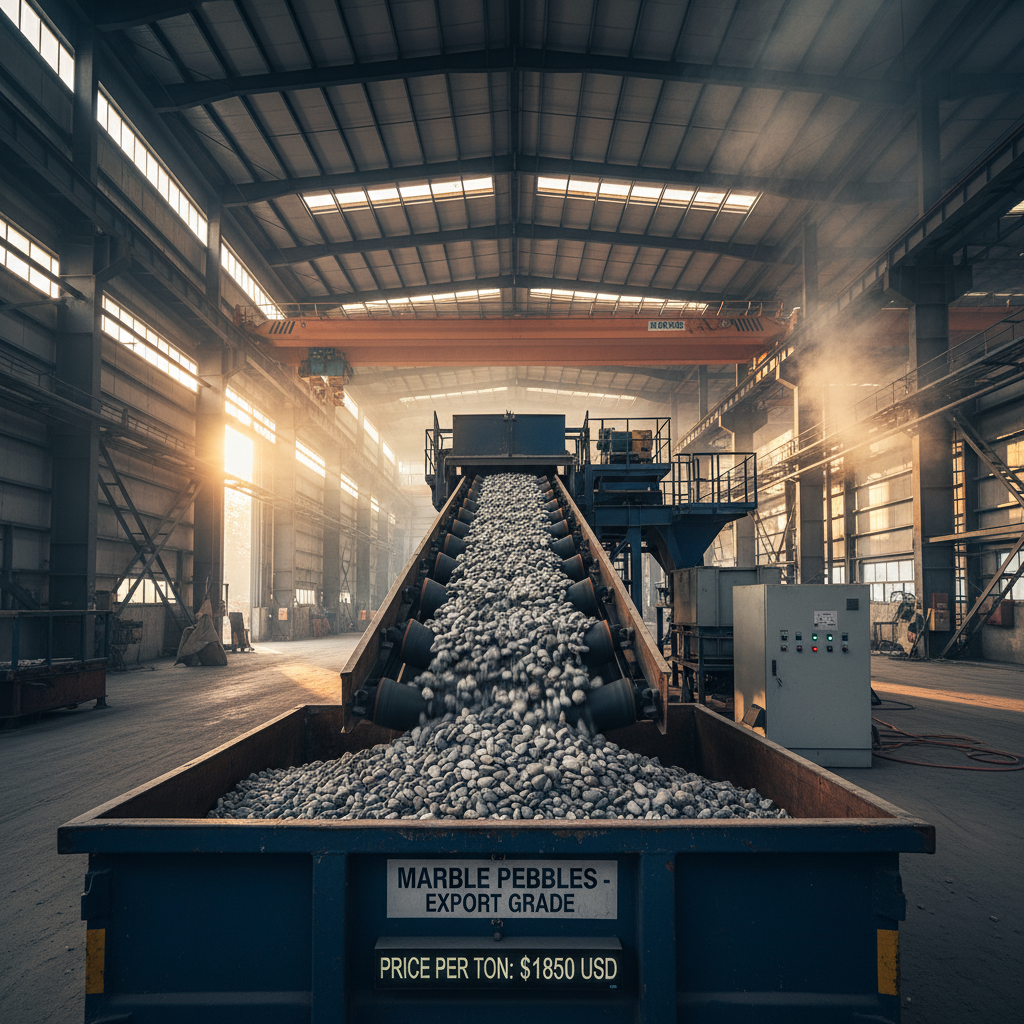
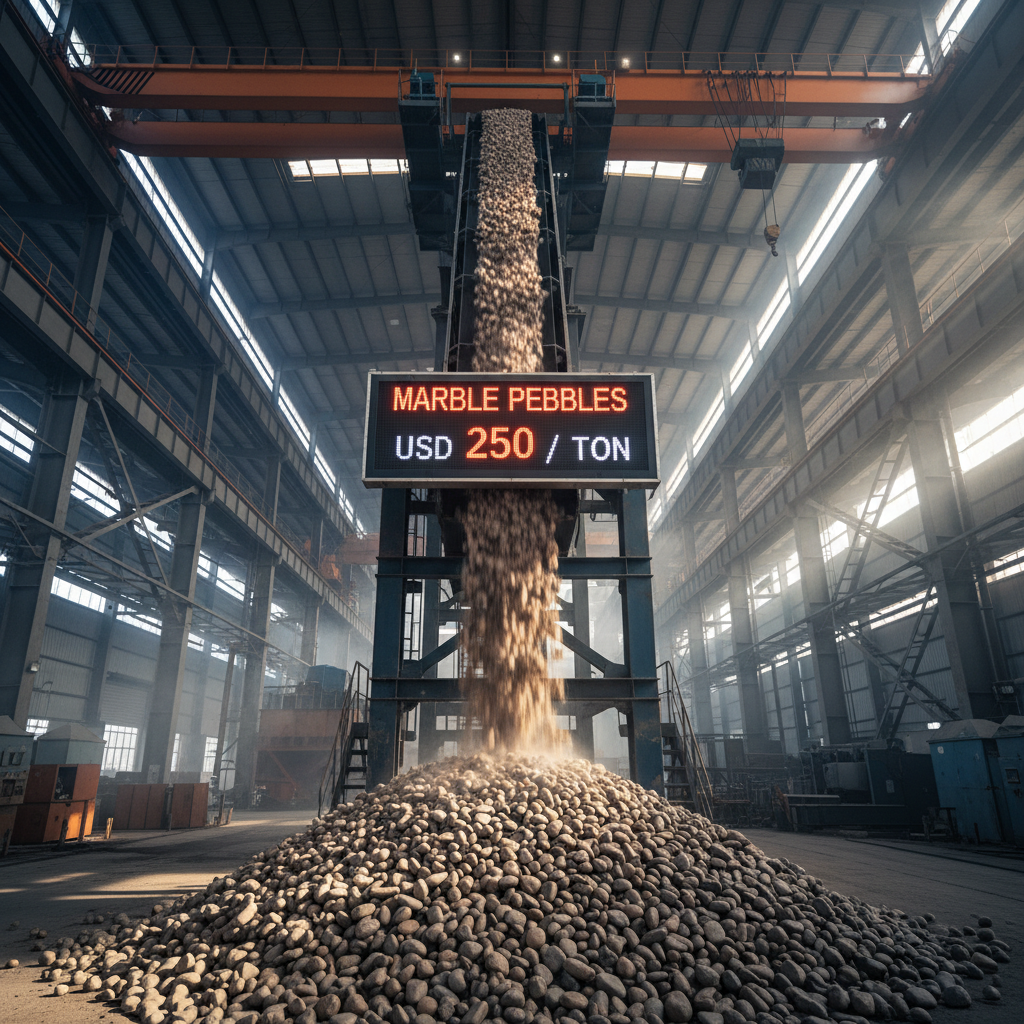
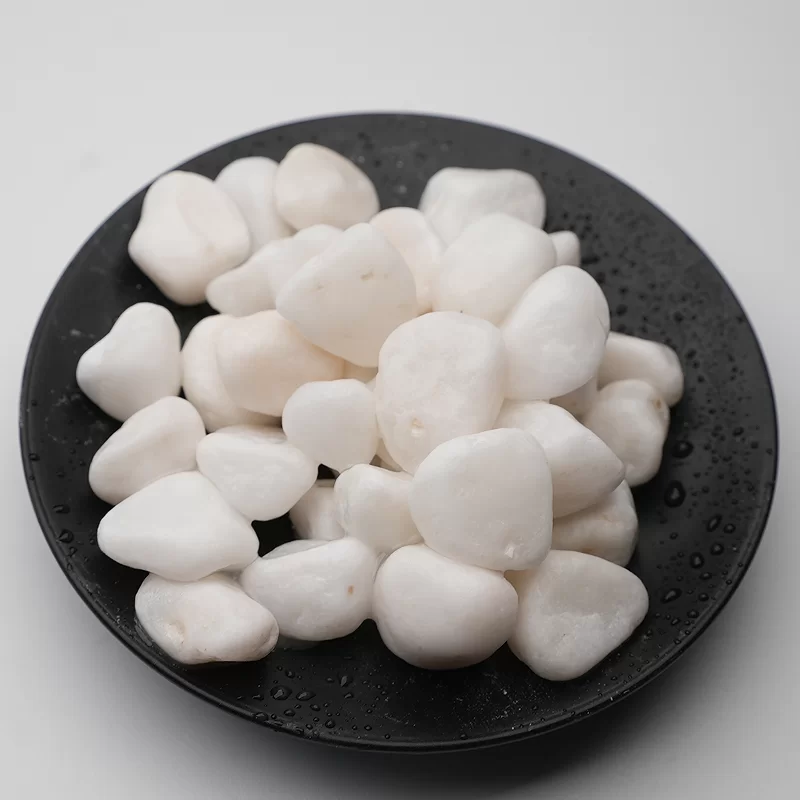
The pebbles price isn’t a fixed number but a dynamic value shaped by a complex interplay of geological factors, extraction costs, transportation logistics, and market demand. Different types of pebbles – river rock, beach pebbles, granite pebbles – command varying prices depending on their aesthetic appeal, durability, and availability.
Understanding these nuances is critical for businesses needing to accurately budget for projects involving pebbles. Moreover, seasonal variations in demand, particularly during peak construction periods, can significantly influence the price, making proactive sourcing strategies essential.
Several factors significantly impact pebbles price. Transportation costs (fuel prices, distance), quarrying expenses (labor, equipment), geological scarcity of specific pebble types, seasonal demand, and regional market dynamics all play crucial roles. Regulatory changes related to environmental protection and extraction permits can also influence pricing. Understanding these interconnected variables is key to accurate budget forecasting and procurement strategies.
Negotiating a favorable pebbles price requires careful preparation. Obtain quotes from multiple suppliers, compare prices per unit (ton, cubic yard, bag), and inquire about volume discounts. Establishing a long-term relationship with a reliable supplier can also lead to better pricing. Be prepared to discuss payment terms and shipping arrangements. Finally, understand the supplier’s cost structure to identify potential areas for negotiation.
Environmental regulations regarding quarrying and water usage significantly impact pebbles price. Sustainable quarrying practices, including land reclamation and water conservation measures, often involve higher costs. Demand for responsibly sourced pebbles is increasing, driving up prices for suppliers who adhere to strict environmental standards. Choosing suppliers with eco-friendly practices demonstrates corporate social responsibility and can contribute to long-term sustainability.
Transportation distance is a major component of the final pebbles price. Pebbles are heavy materials, making long-distance transport expensive. Fuel costs, driver wages, and vehicle maintenance all contribute to transportation expenses. Sourcing pebbles from local suppliers can significantly reduce transportation costs and overall project expenses. Consider utilizing efficient transportation methods, such as rail or bulk shipping, for large quantities.
If pebbles price is prohibitive, consider alternative materials like gravel, crushed stone, or recycled aggregates. The suitability of each alternative depends on the specific application and aesthetic requirements. Gravel is generally less expensive than pebbles but may not offer the same visual appeal. Crushed stone is a cost-effective option for structural applications. Recycled aggregates promote sustainability and can sometimes be sourced at lower prices.
Pebble size and shape influence both processing costs and aesthetic value, consequently affecting pebbles price. Consistent sizes and shapes often require more sophisticated sorting and processing techniques, increasing costs. Unique or aesthetically pleasing shapes and colors may command a premium price due to their rarity and demand for decorative applications. Specifying precise size and shape requirements can help you obtain accurate quotes and avoid unexpected costs.
Understanding the intricate factors influencing pebbles price is crucial for successful project planning and execution. From geological scarcity and transportation costs to environmental regulations and market demand, numerous elements contribute to price fluctuations. By adopting proactive sourcing strategies, negotiating effectively with suppliers, and exploring sustainable alternatives, businesses can mitigate risks and secure competitive pricing.
Looking ahead, advancements in automation, digital platforms, and sustainable extraction methods will continue to shape the pebbles market. Staying informed about these trends and embracing innovative solutions will be essential for maintaining cost-effectiveness and promoting environmental responsibility. Visit our website at www.cnfloormaterials.com to learn more about our comprehensive range of pebbles and competitive pricing options.

If you are interested in our products, you can choose to leave your information here, and we will be in touch with you shortly.