Perlite roof systems are emerging as a versatile and cost-effective solution for a range of building applications, from residential construction to large-scale industrial projects. The increasing demand for sustainable and lightweight roofing materials is driving the adoption of perlite, a naturally occurring volcanic glass, as a key component. Understanding the properties and applications of perlite roof offers significant advantages in terms of energy efficiency, fire resistance, and overall building performance.
Globally, the construction industry is facing pressures to reduce its environmental footprint and embrace more sustainable practices. Perlite roof addresses these challenges by utilizing a readily available, non-toxic, and recyclable material. Its lightweight nature reduces structural load, potentially lowering construction costs and enabling innovative architectural designs. This is particularly important in regions prone to earthquakes or where soil conditions are less stable.
The versatility of perlite roof extends beyond its structural benefits. It provides excellent thermal insulation, contributing to energy savings, and its inherent fire resistance enhances building safety. Furthermore, perlite’s porous structure allows for breathability, reducing condensation and improving indoor air quality, solidifying its position as a valuable component in modern construction practices.
Introduction to Perlite Roof
Perlite roof systems represent a significant advancement in building materials, offering a blend of sustainability, performance, and cost-effectiveness. They are not simply a replacement for traditional roofing; rather, they present a holistic approach to roof construction, integrating insulation, fire resistance, and lightweight properties into a single system. The growing adoption of perlite roof demonstrates a shift towards more environmentally conscious and resilient building practices.
The benefits extend beyond the initial construction phase. Perlite’s insulating properties contribute to reduced energy consumption over the building’s lifespan, lowering operational costs and minimizing environmental impact. Furthermore, perlite is an inert material, meaning it doesn't support mold growth or attract pests, contributing to a healthier indoor environment. The inherent fire resistance provides an added layer of safety for occupants.
Defining Perlite Roof Technology
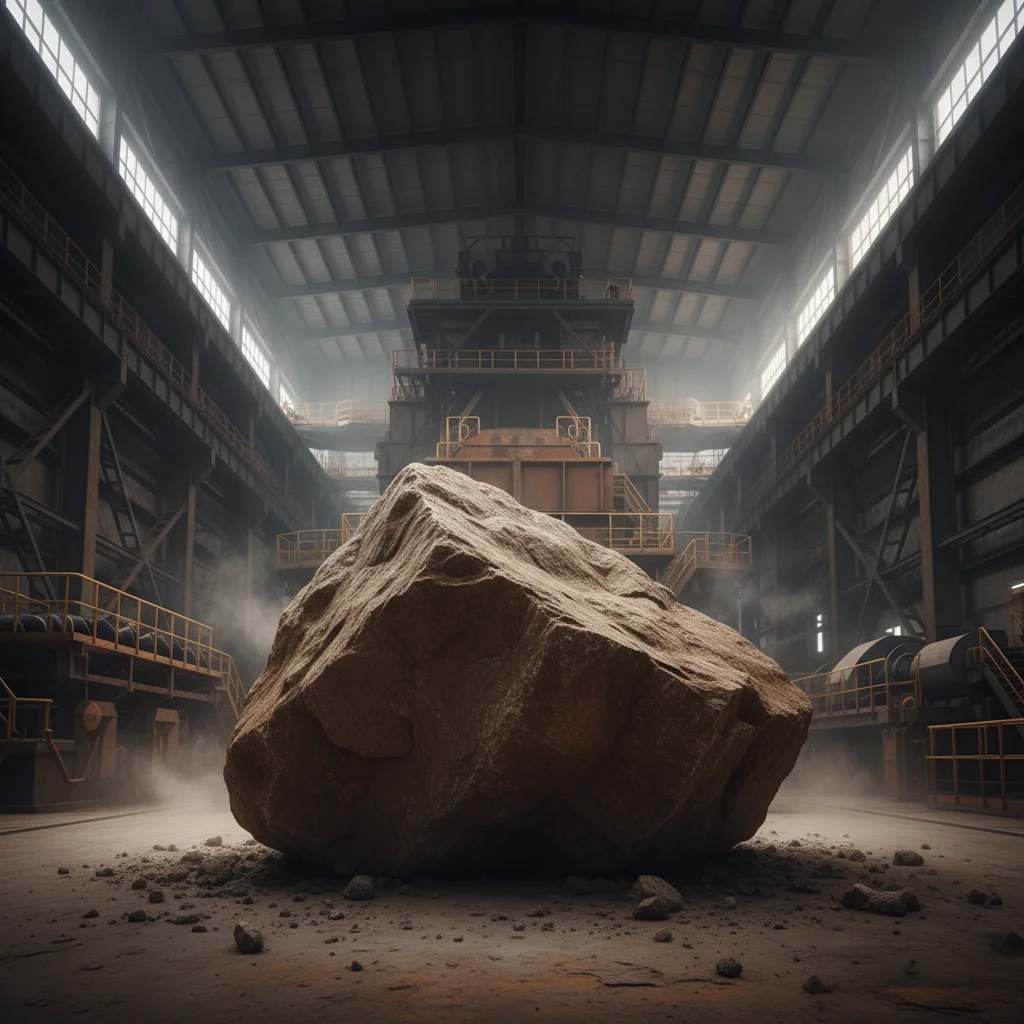
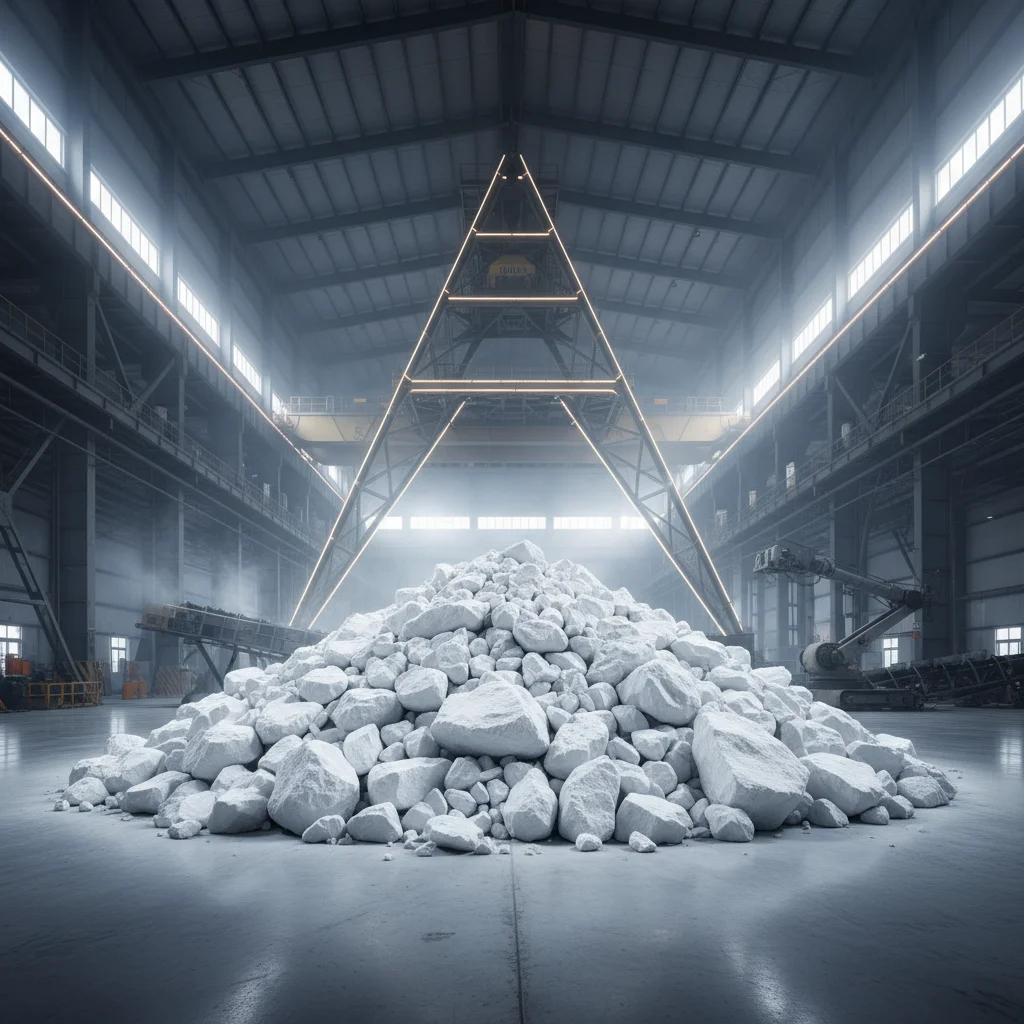
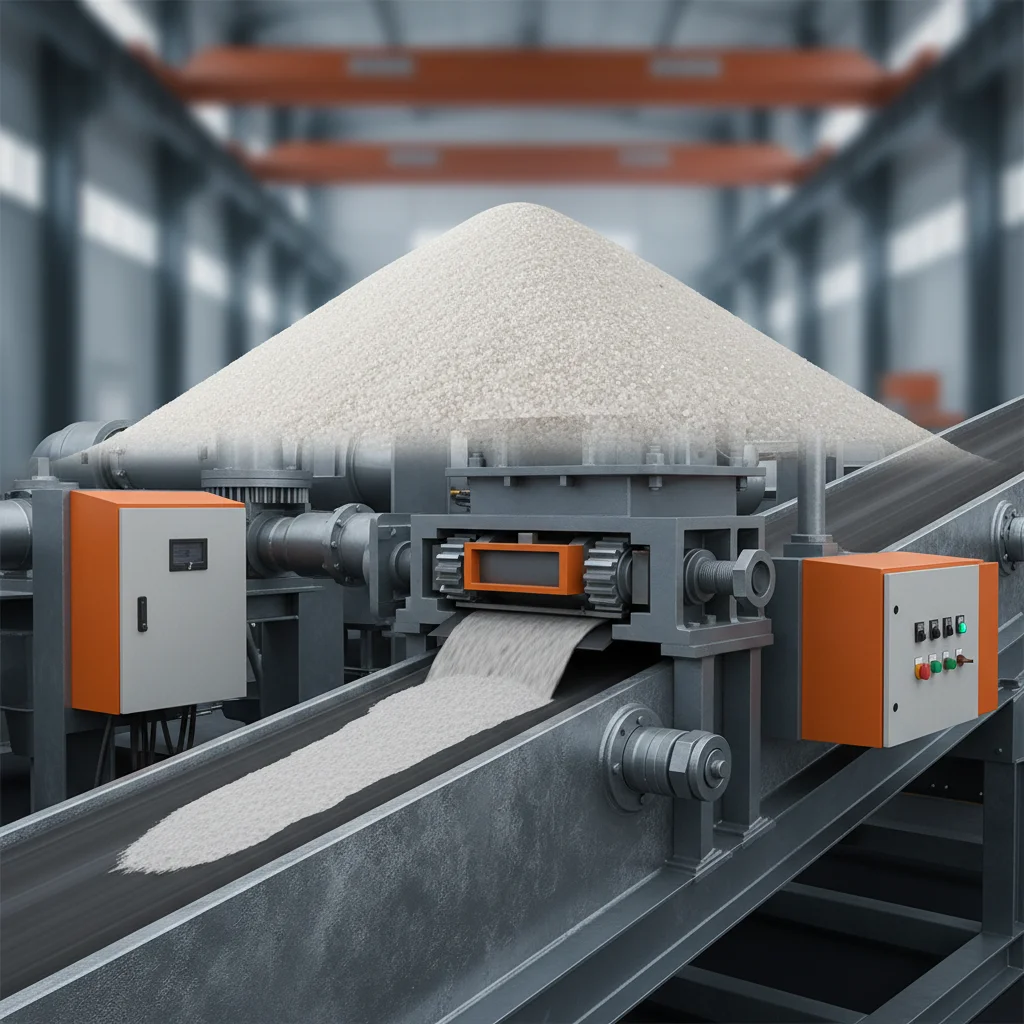
A perlite roof is fundamentally a roofing system that utilizes expanded perlite, a lightweight volcanic glass, as a primary component. This expanded perlite can be incorporated into various roofing assemblies, including loose-fill insulation, perlite concrete, and as an aggregate in roofing membranes. It's not a single product, but rather a versatile material adapted to different roofing needs. The process of expansion involves heating raw perlite ore, causing it to puff up into a lightweight, cellular material.
Unlike traditional roofing materials like asphalt shingles or clay tiles, perlite itself isn't the visible roofing surface. Instead, it functions as a critical underlying layer, providing crucial thermal and fire protection. This makes perlite roof systems particularly well-suited for flat or low-slope roofs, where insulation and fire resistance are paramount. It seamlessly integrates with various roofing membranes, enhancing their overall performance.
The application of perlite roof technology reflects a broader trend in the construction industry toward more sustainable and energy-efficient building practices. It addresses the need for materials that minimize environmental impact while simultaneously improving building performance and safety. It’s a testament to how naturally occurring materials can be transformed into innovative solutions for modern construction challenges.
Key Components and Characteristics
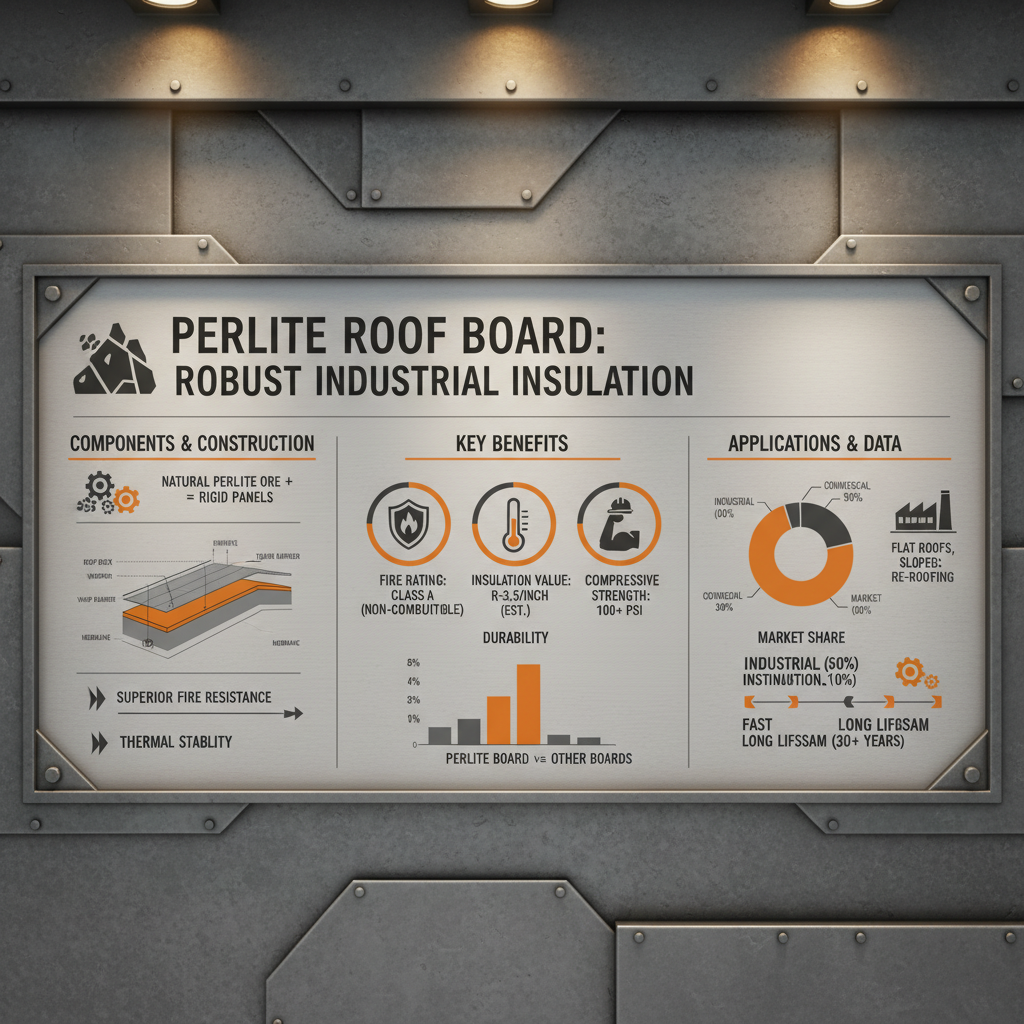
Several key characteristics define the effectiveness of a perlite roof system. The most significant is its exceptionally low density, typically ranging from 7 to 15 lbs/cubic foot. This lightweight nature minimizes structural load, reducing the need for heavy and expensive support systems. This is a critical factor in renovations and in areas with challenging soil conditions.
Thermal insulation is another critical aspect. Perlite's cellular structure traps air, creating an excellent barrier against heat transfer. This results in significant energy savings, reducing heating and cooling costs. A perlite roof effectively minimizes thermal bridging, a common problem in traditional roofing systems where heat can escape through structural elements.
Crucially, perlite is non-combustible and exhibits excellent fire resistance. In the event of a fire, it doesn’t burn or release toxic fumes, providing valuable time for evacuation and minimizing damage. This inherent fire resistance makes perlite roof a preferred choice in buildings where fire safety is a primary concern. Its moisture resistance also contributes to long-term durability.
Perlite Roof: Performance Metrics
Evaluating the performance of a perlite roof requires considering several key metrics. Thermal resistance (R-value) is paramount, with perlite offering values typically ranging from R-2.7 to R-3.7 per inch. This translates to substantial energy savings compared to traditional insulation materials. Fire resistance is often measured by ASTM E84, with perlite consistently achieving a Class A rating, the highest possible.
Moisture permeability is also crucial. Perlite allows water vapor to escape, preventing condensation and mold growth, contributing to better indoor air quality and structural integrity. Sound attenuation is another benefit, with perlite's cellular structure dampening noise transmission. The durability of perlite roof systems is assessed by resistance to compression and settling over time.
Perlite Roof Performance Comparison
Global Applications of Perlite Roof
Perlite roof systems are gaining traction across diverse geographical regions and industries. In North America, they are increasingly used in commercial and industrial buildings, particularly in flat-roof applications. Europe is seeing a rise in perlite roof adoption due to stringent energy efficiency regulations and a focus on sustainable building materials.
In developing nations, perlite roof is finding application in affordable housing projects and disaster relief efforts. Its lightweight nature simplifies transportation and installation, making it ideal for remote locations. Moreover, its fire resistance is particularly valuable in regions prone to wildfires. Organizations involved in humanitarian aid are exploring perlite roof as a viable shelter solution.
Advantages and Long-Term Benefits
The advantages of implementing a perlite roof system are multifaceted. From a cost perspective, the lightweight nature of perlite reduces structural support requirements, leading to lower construction expenses. The extended lifespan, coupled with reduced energy consumption, translates to significant long-term savings. The inherent fire resistance provides peace of mind and reduces insurance premiums.
Beyond the tangible benefits, perlite roof contributes to sustainability by utilizing a naturally occurring, recyclable material. It promotes a healthier indoor environment by preventing mold growth and improving air quality. The lightweight nature also reduces the carbon footprint associated with transportation and installation. Perlite roof offers a reliable, innovative, and responsible solution for modern building needs.
This material also offers a sense of security and dignity. Safe, resilient housing is a basic human need. By using materials like perlite, we are investing in structures that protect lives and communities, contributing to a more stable and equitable world.
Future Trends in Perlite Roof Technology
The future of perlite roof technology is poised for significant advancements. Ongoing research focuses on improving perlite expansion techniques to enhance its insulation properties and reduce its density further. Integration with smart building technologies, such as sensors that monitor moisture levels and thermal performance, is also a promising area of development.
The integration of perlite with green roofing systems is gaining momentum, combining the benefits of thermal insulation and fire resistance with the environmental advantages of vegetation. Furthermore, advancements in perlite concrete formulations are expanding its use in structural roofing applications. The push for net-zero energy buildings will continue to drive the demand for high-performance insulation materials like perlite.
Automated installation techniques and digital building information modeling (BIM) are also expected to streamline the construction process and improve the accuracy and efficiency of perlite roof system implementation. These innovations will undoubtedly solidify perlite's position as a leading sustainable building material.
Challenges and Solutions
Despite its numerous advantages, perlite roof does face certain challenges. One concern is the potential for settling over time, although this can be mitigated by using properly graded perlite and ensuring proper installation techniques. Another challenge is the need for moisture control to prevent potential dampness. Properly designed roofing membranes and ventilation systems are crucial to address this issue.
Transportation costs can also be a factor, particularly for projects in remote locations. Sourcing perlite from local suppliers or utilizing bulk transportation methods can help reduce these costs. Limited awareness among construction professionals can hinder adoption; targeted training and education programs are essential to address this.
Addressing these challenges requires a collaborative effort between material suppliers, roofing contractors, and building designers. Continuous innovation in perlite processing, improved installation guidelines, and increased awareness will pave the way for wider adoption of this sustainable and high-performance roofing solution.
Table Summarizing Perlite Roof Challenges and Solutions
| Challenge |
Severity (1-10) |
Potential Solution |
Implementation Cost (1-10) |
| Perlite Settling |
6 |
Proper Perlite Grading & Installation |
3 |
| Moisture Management |
7 |
Effective Roofing Membrane & Ventilation |
5 |
| Transportation Costs |
5 |
Local Sourcing & Bulk Shipping |
4 |
| Limited Awareness |
8 |
Training Programs & Educational Materials |
2 |
| Dust During Installation |
4 |
Dust Control Measures & PPE |
1 |
| Long-Term Performance Data |
6 |
Ongoing Monitoring & Research |
6 |
FAQS
Perlite roof offers significant advantages over asphalt shingles, including superior fire resistance, improved thermal insulation, and a lighter weight that reduces structural load. Unlike asphalt, perlite doesn't release toxic fumes when exposed to fire and is a sustainable, recyclable material. It also provides better moisture management, reducing the risk of mold and mildew. While initial costs may be comparable, the long-term energy savings and reduced maintenance expenses often make perlite roof a more cost-effective option.
The lightweight nature of perlite roof systems significantly impacts building construction. Reducing the overall roof weight minimizes the need for heavy structural support, which can lead to cost savings in materials and labor. This is particularly beneficial in renovations where existing structures may not be designed to support heavy roofing materials. It also simplifies installation, particularly in areas with limited access or challenging soil conditions. The reduced weight can also lower transportation costs.
Perlite roof is most effectively implemented on flat or low-slope roofs, where its insulating and moisture-resistant properties are maximized. While it can be adapted for pitched roofs, it typically functions as an insulation layer beneath a more traditional roofing material. It's suitable for a wide range of climates, providing excellent thermal performance in both hot and cold environments. Proper ventilation and moisture control are crucial in humid climates to prevent condensation.
The lifespan of a perlite roof system depends on several factors, including the quality of installation, the climate, and the underlying roofing membrane. However, with proper maintenance, a perlite roof can realistically last 20-30 years or even longer. The perlite itself is extremely durable and doesn’t degrade over time, making it a long-term investment. Regular inspections and prompt repairs of the roofing membrane are essential to maximize its lifespan.
Perlite is a naturally occurring volcanic glass, and its mining process typically has a relatively low environmental impact compared to other building materials. The expansion process, which involves heating the ore, does require energy, but advancements in energy efficiency are minimizing this impact. Perlite is also a recyclable material, further reducing its environmental footprint. Choosing perlite from reputable suppliers committed to responsible mining practices can further minimize any potential concerns.
The initial cost of installing a perlite roof system can be comparable to or slightly higher than traditional asphalt shingles. However, when considering the long-term benefits, such as reduced energy consumption, lower maintenance costs, and increased fire resistance, perlite roof often proves to be more cost-effective over its lifespan. The lightweight nature can also lead to savings on structural support costs. Costs vary depending on the complexity of the project and the location.
Conclusion
Perlite roof represents a significant advancement in sustainable building practices, offering a compelling combination of thermal performance, fire resistance, and cost-effectiveness. Its lightweight nature, combined with its inherent environmental benefits, makes it a viable solution for a wide range of roofing applications, from residential homes to large-scale commercial buildings. The adoption of perlite roof is not merely a trend, but a strategic shift toward more resilient and responsible construction.
Looking ahead, continued innovation in perlite processing and integration with smart building technologies will further enhance its performance and broaden its applicability. Investing in research and development, promoting education and awareness, and establishing clear industry standards will be crucial to unlocking the full potential of perlite roof and accelerating its adoption globally. Visit our website at cnfloormaterials.com to learn more about our perlite roof solutions.