You know, I’ve been running around construction sites for almost twenty years now, and things are changing fast. Seems like just yesterday we were all happy with basic concrete, and now everyone wants self-healing polymers and graphene-infused everything. To be honest, the pace is a bit dizzying. Lately, it’s all about lightweight, high-strength materials – folks are obsessed with reducing weight, especially in pre-fab construction. Makes sense, cuts down on transportation costs, easier to install… but sometimes I wonder if they’re chasing trends instead of real solutions.
And speaking of solutions, have you noticed how many designers get tripped up by seemingly simple details? Like, they’ll design a beautiful façade with intricate paneling, then specify an adhesive that can’t handle the thermal expansion and contraction. Disaster waiting to happen. I encountered this at a factory in Foshan last time, beautiful panels cracking after just a few weeks… needless to say, a lot of finger-pointing. It always comes back to understanding the real-world conditions, not just relying on lab results.
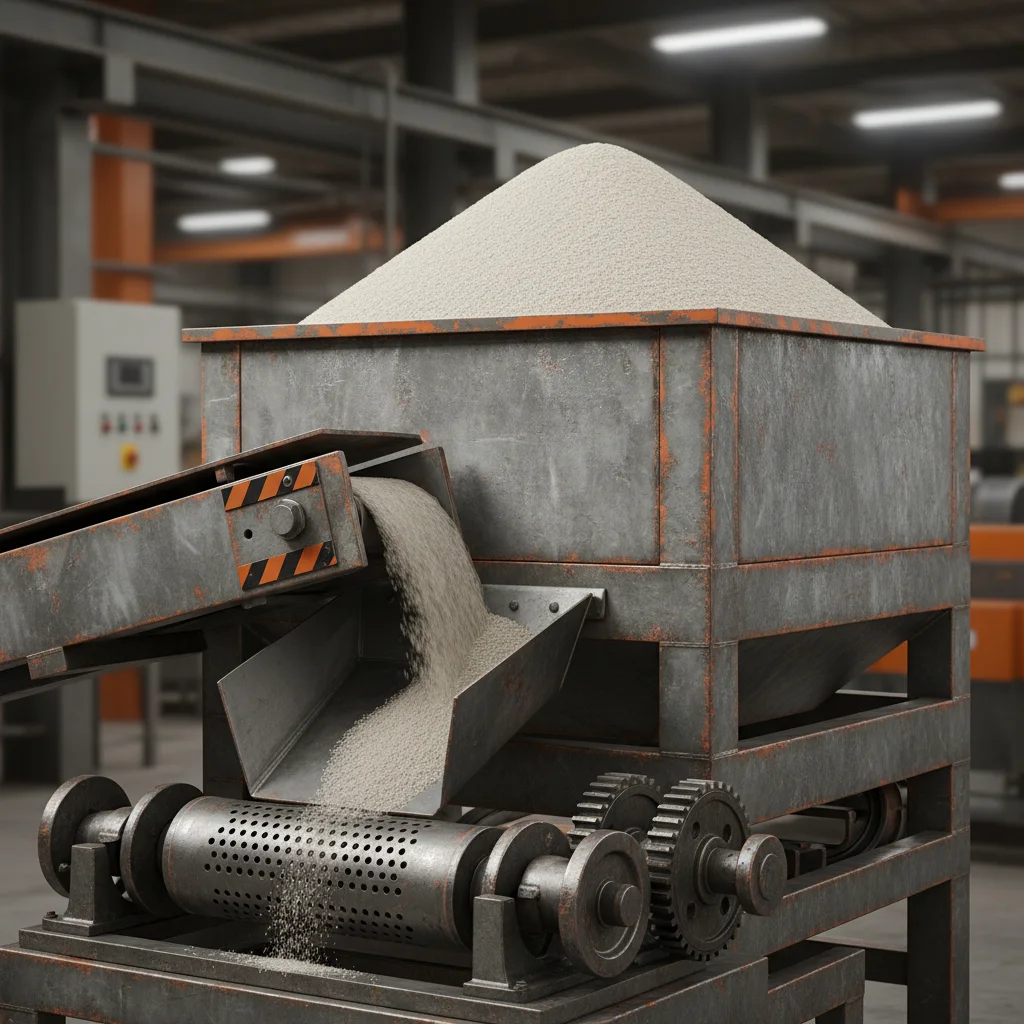
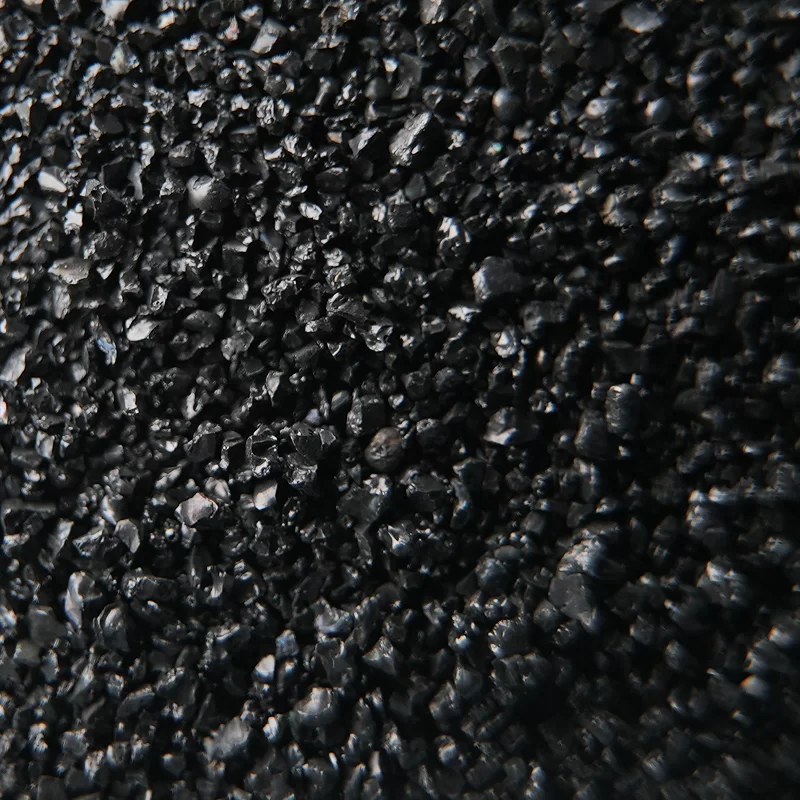
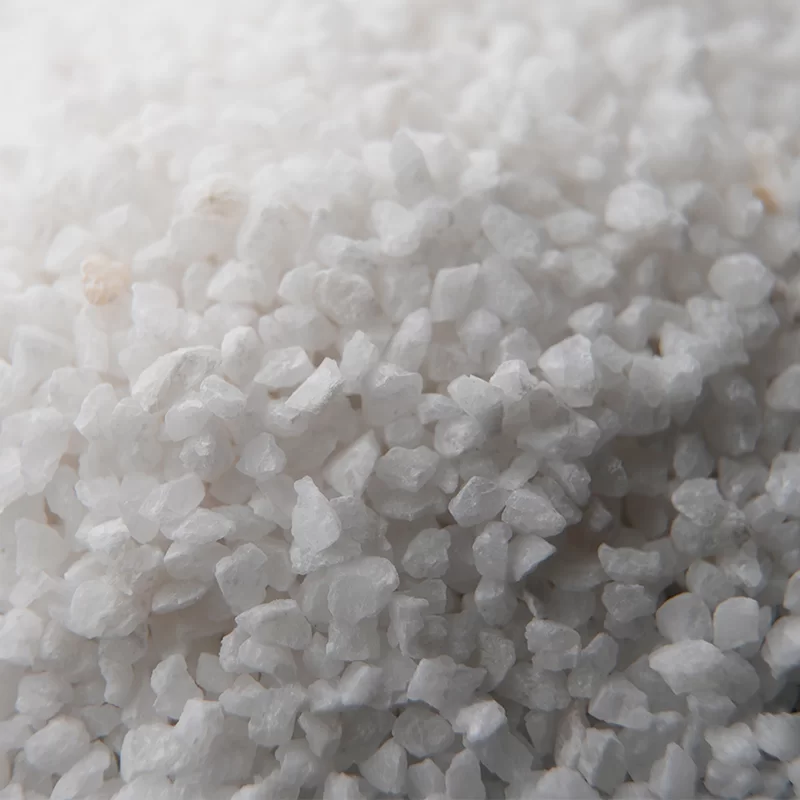
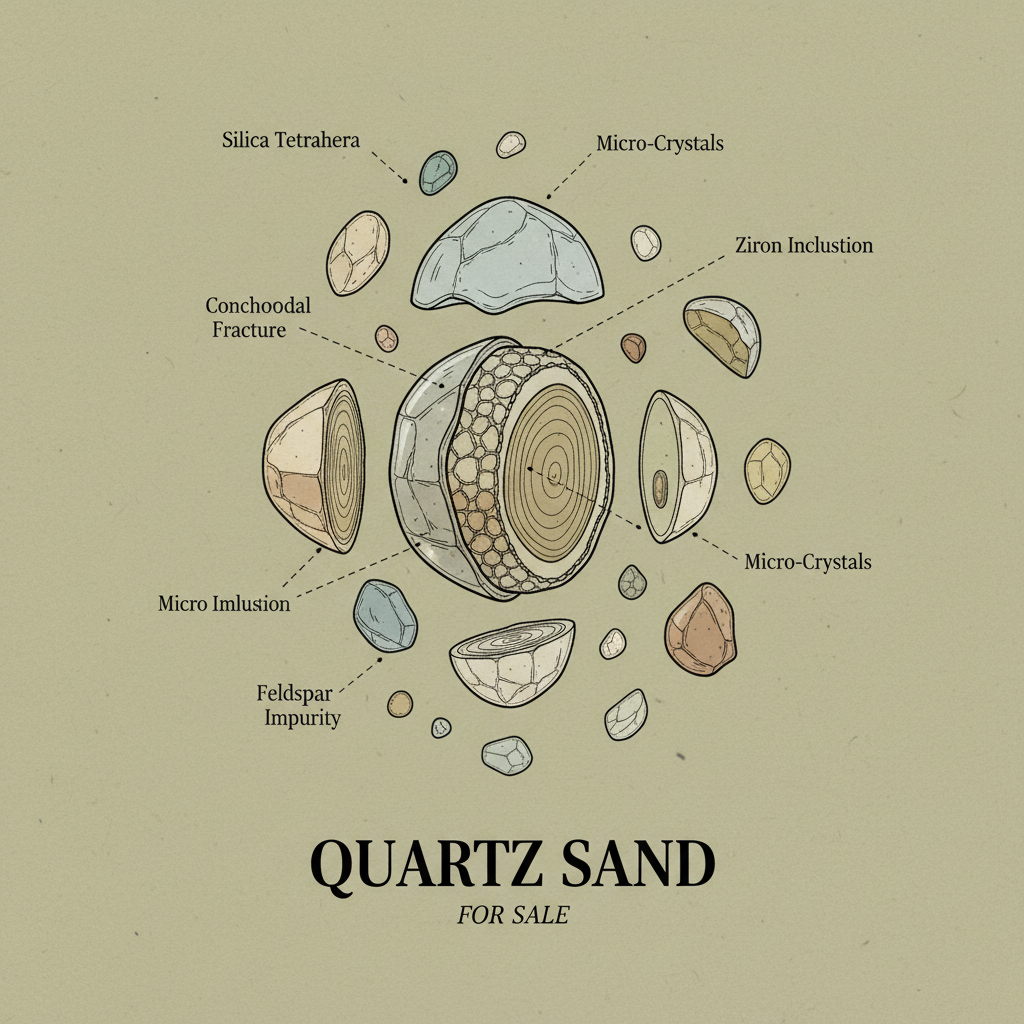
We've been seeing a surge in demand for high-quality quartz sand for sale, especially for specialized concrete mixes. It’s a simple material, right? Sand. But there’s a huge difference between beach sand and properly graded, washed quartz sand for sale. The stuff we use, it’s got a slightly grainy feel, almost like powdered sugar, but heavier, of course. And it has a subtle, clean smell… not like the briny stink of sea sand. You can tell a good batch just by how it flows when you’re mixing it – nice and consistent, not clumpy. We mostly source from a few suppliers in Guangxi province, they’ve got consistent quality control.

Strangely, even with all the new technology, we’re still seeing the same old mistakes. Architects designing buildings that don’t account for local weather patterns. Engineers specifying materials that are incompatible with each other. It's frustrating. Anyway, I think a big trend right now is modular construction – pre-fabricated units assembled on-site. It’s faster, cheaper… in theory. But it puts even more pressure on material quality and precision. You can't hide shoddy workmanship when everything's pre-built.
And let’s not forget sustainability. Everyone wants “green” materials, which is great, but sometimes the pursuit of eco-friendliness overshadows practicality. Like, a bio-based adhesive that performs poorly in high humidity? Not exactly a win.
Lead times really depend on the quantity and our supplier’s current production schedule. Generally, for orders over 100 tons, expect at least two to three weeks. It's best to plan ahead, especially during peak construction season. We always try to give customers an accurate estimate upfront, and we keep them informed of any delays. A good rule of thumb is to order at least a month in advance, just to be safe.
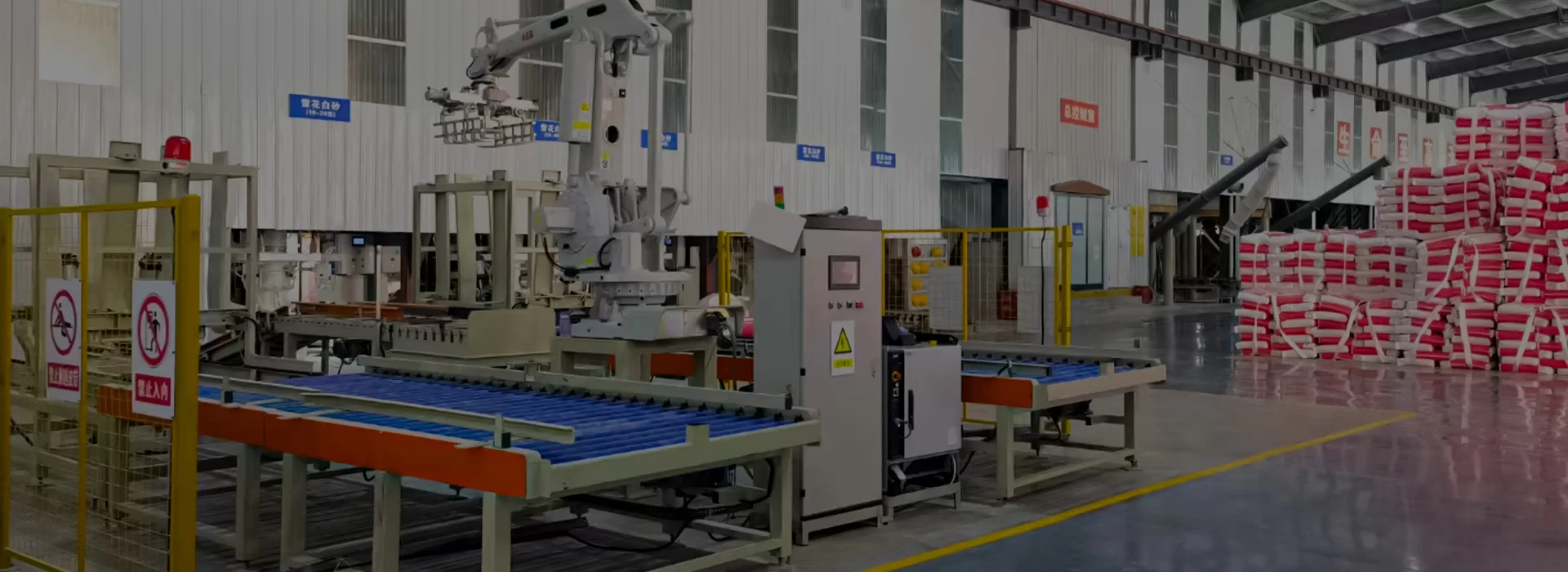
We have a multi-stage quality control process. First, we audit our suppliers regularly to ensure they meet our standards. Then, we perform sieve analysis, moisture content tests, and impurity checks on every incoming batch. We also send samples to an independent lab for more detailed analysis. We keep detailed records of all testing results, and we're happy to share them with our customers.
Yes, it can, but it's not always the best choice. Quartz sand for sale can be used as a component in asphalt mixes or as a base material for roadbeds. However, its angular shape can sometimes lead to reduced compaction compared to other aggregate materials. It's really dependent on the specific application and the other materials used in the mix.
We typically ship quartz sand for sale in bulk using dump trucks or railcars, depending on the quantity and distance. For smaller orders, we can use bagged sand on pallets. We work with several reliable logistics providers to ensure timely and cost-effective delivery. We can also arrange for on-site delivery, directly to your construction site.
Quartz sand for sale itself is a naturally occurring mineral, so it's relatively environmentally friendly. However, the extraction and processing can have some environmental impacts. We work with suppliers who practice responsible mining and processing techniques, minimizing dust emissions and water usage. We also promote the use of recycled aggregates whenever possible.
The primary safety concern is silica dust. Always wear a properly fitted respirator when handling dry quartz sand for sale, and ensure adequate ventilation. Wetting down the sand can also help reduce dust levels. Protect your eyes and skin from contact with the sand. Follow all applicable safety regulations and guidelines.
So, there you have it. Quartz sand for sale is a surprisingly complex material, despite its simple appearance. It's the bedrock of modern construction, and understanding its properties, applications, and limitations is crucial for building safe, durable, and sustainable structures. It's not always glamorous, but it’s always essential.
Looking ahead, I think we’ll see continued innovation in sand processing and grading technologies, as well as a greater focus on sustainable sourcing practices. And honestly, I encourage you to always talk to your supplier, ask questions, and don't be afraid to challenge assumptions.

If you are interested in our products, you can choose to leave your information here, and we will be in touch with you shortly.