You know, lately everyone's talking about prefabrication. Seriously, it's all anyone mentions at those industry mixers. It’s not new, mind you, we've been seeing bits and pieces for years, but now it feels…different. More people are actually doing it, not just talking about doing it. A lot of it’s driven by labor costs, honestly. Finding good crews is getting tougher, and pre-fab just sidesteps that whole mess. But it’s not a silver bullet, not by a long shot.
I tell you what, I've seen a lot of designs that look great on paper but fall apart the second you try to actually build them. It’s always the details, isn't it? Like, people designing these things without ever having to lug a 2x4 up three flights of stairs. Have you noticed how often architects specify some super-complex joint that requires three guys and a hydraulic press? It’s infuriating. Anyway, I think simplicity is key. And accessibility. You need to be able to get at everything for maintenance, repairs...the inevitable.
We mostly work with high-density fiber cement siding, though we do a bit with engineered wood. Fiber cement...it smells like concrete dust and feels heavy as hell, but it's durable, you know? It’ll take a beating. The engineered wood is lighter, easier to work with, but you gotta be careful with moisture. I was at a factory in Guangdong last time and saw a whole batch ruined because of a leaky roof. The smell of mildew was…unforgettable.

The Current Landscape of Sand Manufacturers
To be honest, the demand for quality sand manufacturers is through the roof. Everything's building, right? Infrastructure, housing, commercial... it all needs a foundation. But it’s not just quantity people are after. They want consistency, reliability. I've seen too many projects delayed because the sand manufacturers supplier couldn't deliver on spec. It's a constant struggle to find companies that aren’t cutting corners.
Strangely enough, sustainability is becoming a bigger factor. People are asking about sourcing, environmental impact… things they didn’t even care about five years ago. Which is good, I guess. It forces everyone to up their game.
Common Design Pitfalls in Sand Manufacturers
You see it all the time: overly complex designs. Engineers trying to be clever, creating problems where there don’t need to be any. It's like they forget that someone actually has to build the thing. I once saw a blueprint for a retaining wall that required a custom-fabricated bracket for every single block. Every. Single. Block. Later...forget it, I won’t mention it.
Another big one is underestimating load calculations. People assume the ground is perfectly level, perfectly stable. It’s never perfectly anything, especially after a good rain. And don't even get me started on drainage. If you don’t plan for drainage, you’re asking for trouble.
And then there’s the cost. Some designs are just unaffordable. Architects will specify these fancy materials, ignoring the fact that the client is on a tight budget. It’s frustrating for everyone involved.
Material Considerations for Sand Manufacturers
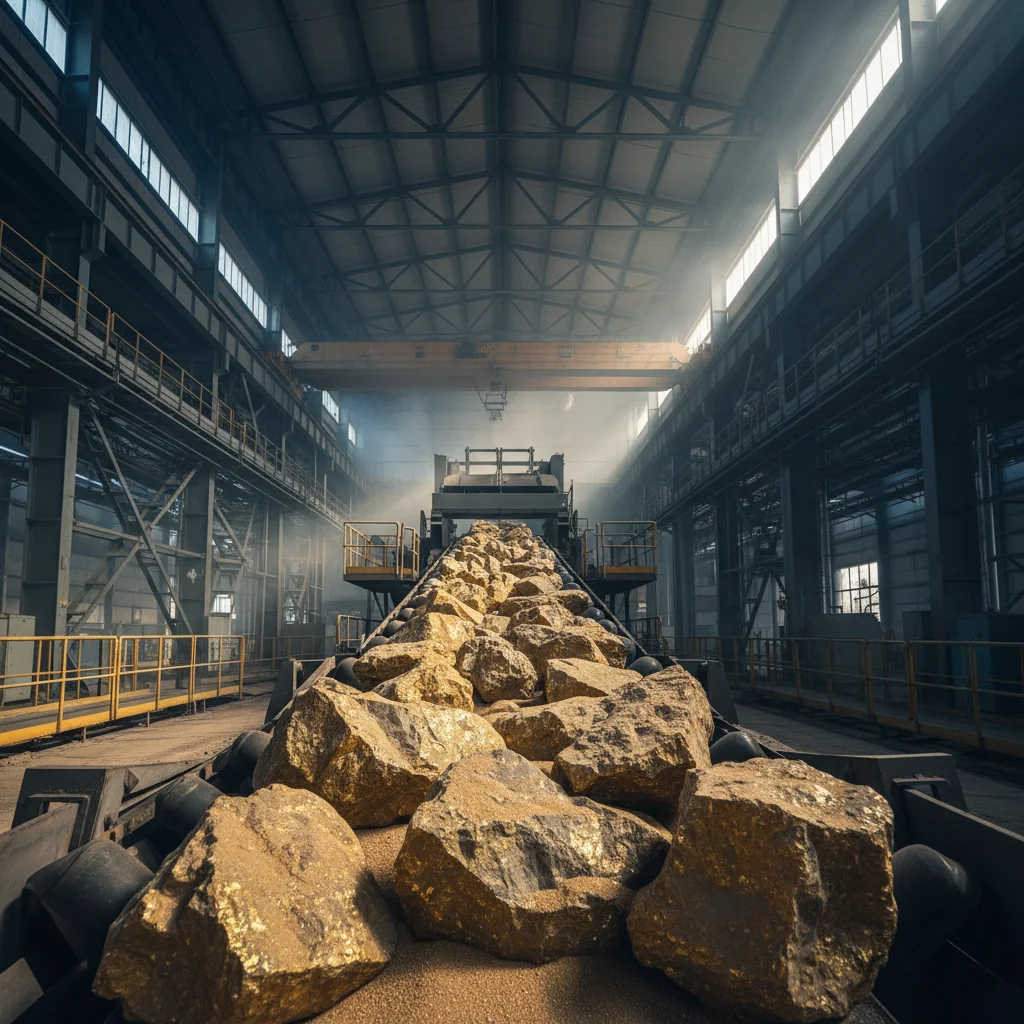
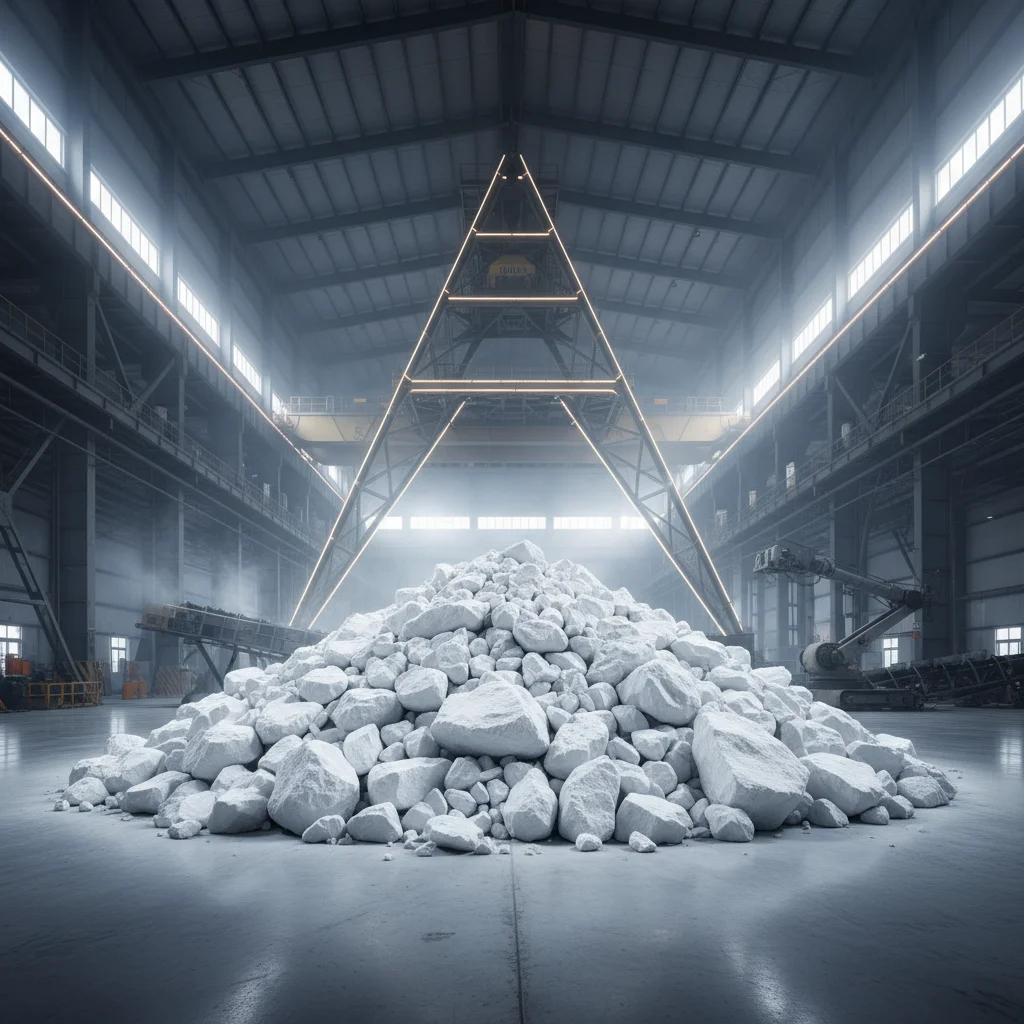
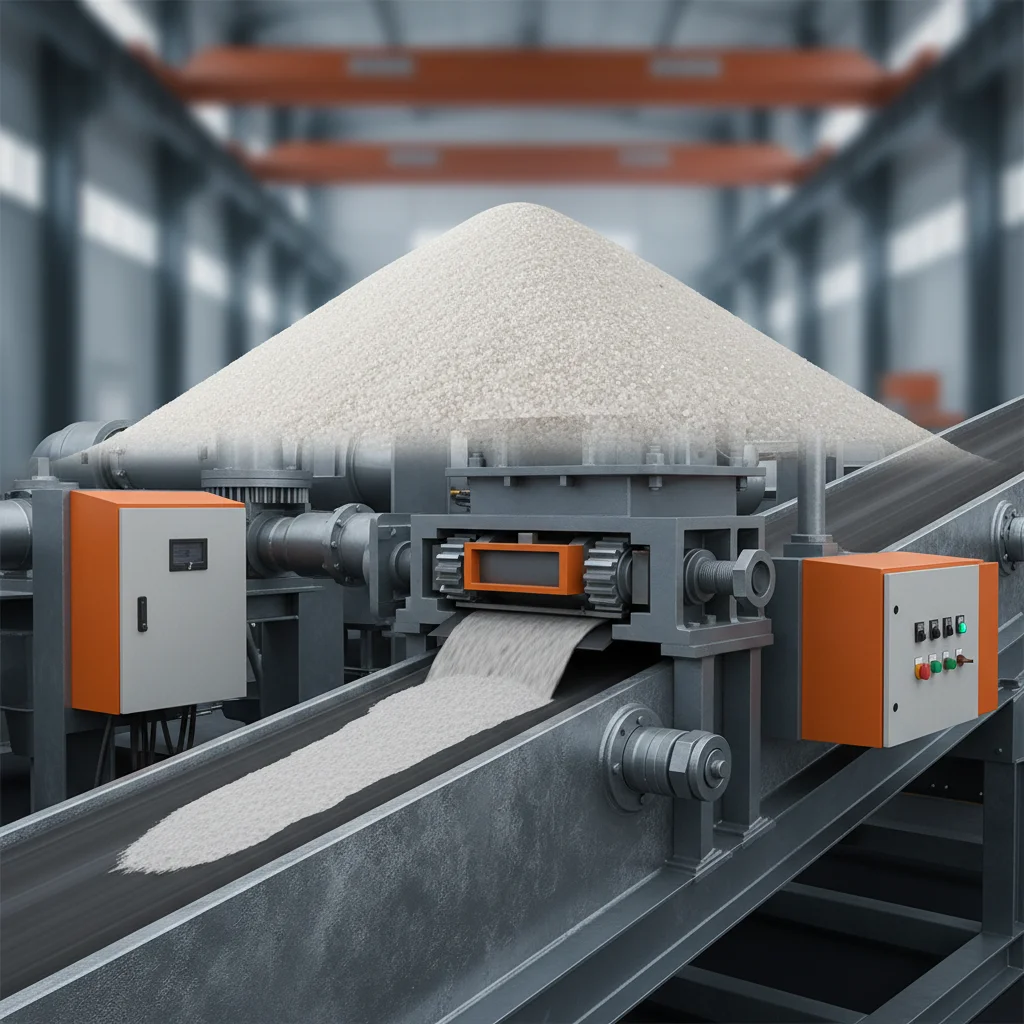
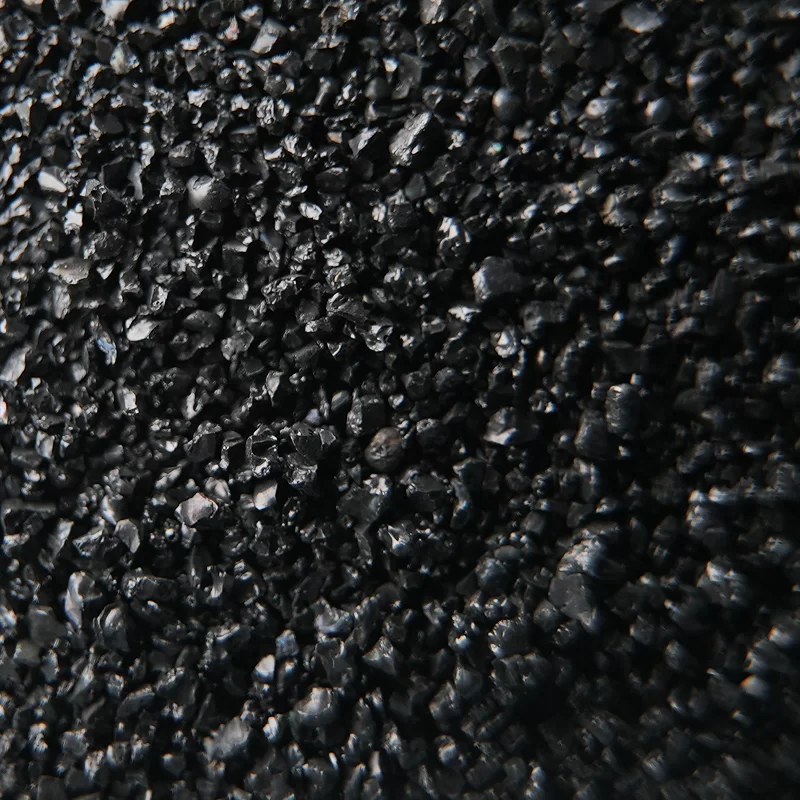
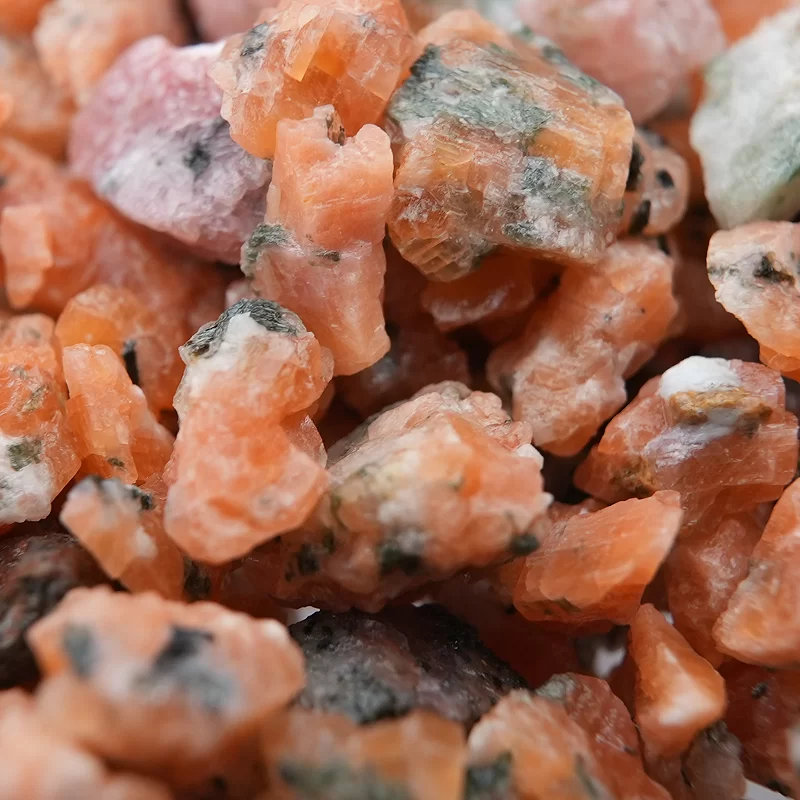
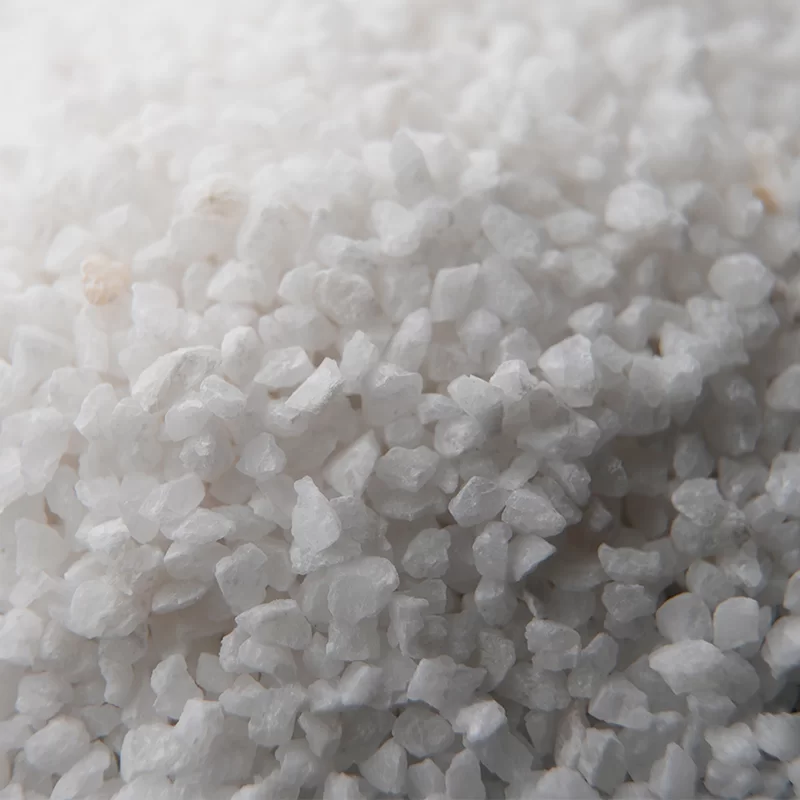
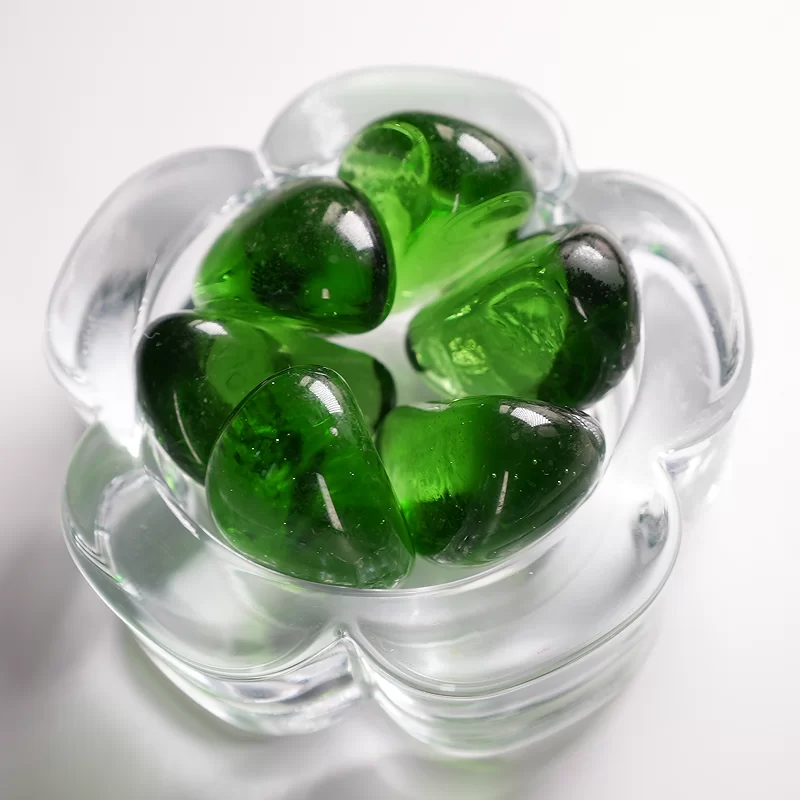
Choosing the right materials is crucial, obviously. We've moved away from relying solely on natural sand a long time ago, it’s just too inconsistent. Now it's mostly manufactured sand, crushed rock, sometimes even recycled glass. Each has its own properties. Manufactured sand is generally stronger and more uniform, but can be dustier. Recycled glass...it’s good for the environment, but you gotta be careful about contaminants.
The feel of the material matters, too. Sounds silly, but it does. You want something that compacts well, doesn’t crumble easily. I encountered this at a concrete plant in Vietnam last time, the sand was so fine it felt like flour, and the concrete just wouldn’t set properly. It was a disaster. You can tell a lot just by squeezing a handful.
We use a lot of polymers and binders now, to improve workability and durability. They add cost, of course, but often it's worth it. You get a better end product, fewer callbacks, and happier clients.
Rigorous Testing of Sand Manufacturers
Lab tests are okay, I guess. Sieve analysis, particle size distribution, moisture content… all that stuff. But the real test is on the job site. I've seen sand pass all the lab tests and still perform terribly in the field. You need to actually use it, pour it, compact it, see how it behaves under real-world conditions.
We do a lot of load bearing tests. Build small sections, apply weight, see what happens. Simple, but effective. And we always check for contamination. I once found a shipment of sand that was full of seashells. Seashells! Can you imagine?
Sand Manufacturers Performance Metrics
Real-World Applications of Sand Manufacturers
It’s everywhere, obviously. Concrete, asphalt, mortar… the foundation of modern civilization, literally. But people are finding new uses all the time. Coastal restoration, creating artificial reefs, even 3D printing. I saw a demonstration of a 3D printed house made from sand and a special binder last year. Pretty impressive, though I’m not sure how it'll hold up to a hurricane.
We did a project last year building a flood barrier for a small town in Louisiana. Required a specific type of sand, highly permeable, to allow water to drain quickly. It was a challenging project, dealing with the mud and the humidity, but we got it done.
Advantages and Disadvantages of Sand Manufacturers
The biggest advantage is cost, let's be real. It's relatively cheap and readily available. But you get what you pay for. Cheap sand can be full of impurities, inconsistent in size, and just generally a pain to work with. It saves you money upfront, but you’ll end up paying for it down the line in rework and repairs.
And there’s the environmental impact. Sand mining can be destructive to ecosystems. That's why there's a push for more sustainable alternatives. It’s a tricky balance.
It’s also surprisingly versatile. You can tailor the properties of sand by mixing it with different additives. It’s not just a commodity; it’s a building block.
Customization Capabilities of Sand Manufacturers
Absolutely. We can adjust the grading, the color, the chemical composition. It depends on the client’s needs, of course. I had a client last month, a small boss in Shenzhen who makes smart home devices, who insisted on changing the interface to . And the result was weeks of delays because none of our equipment was compatible! It was a nightmare. But we made it work eventually.
Seriously, the level of customization is amazing. We can create sand specifically for self-compacting concrete, or sand with enhanced thermal properties for green building applications. It’s all about understanding the client’s requirements and delivering a product that meets their specific needs.
We did a project where the client wanted sand that glowed in the dark for a theme park. I mean, seriously? But hey, we figured it out. Added some phosphorescent pigments, and voila. Glow-in-the-dark sand.
Summary of Key Performance Indicators for Sand Manufacturers
| Sand Manufacturers Type |
Average Particle Size (mm) |
Compressive Strength (MPa) |
Moisture Content (%) |
| Natural River Sand |
0.2 - 0.8 |
25 |
5 |
| Manufactured Sand (Crushed Stone) |
0.1 - 0.5 |
30 |
3 |
| Manufactured Sand (Recycled Concrete) |
0.05 - 0.6 |
28 |
7 |
| Silica Sand |
0.1 - 1.0 |
35 |
2 |
| Polymer-Coated Sand |
0.15 - 0.7 |
40 |
4 |
| Glass Sand |
0.08 - 0.4 |
22 |
6 |
FAQS
Honestly, it's not paying attention to the grading. Too much fines, and your concrete will be weak. Too much coarse aggregate, and it won't work properly. You need a good balance. And don't forget about cleanliness! Contaminants like clay or organic matter can ruin a batch.
Huge. Seriously, where the sand comes from matters a lot. River sand is generally cleaner, but it's becoming harder to find. Manufactured sand can be good, but you need to ensure the crushing process doesn't damage the particles. And you need to be aware of potential environmental impacts.
You can, but it's not as straightforward as just swapping it in. You have to make sure the glass is properly processed to remove any sharp edges or contaminants. And it can affect the workability of the concrete. It's definitely an option, but it requires careful consideration.
Usually, yeah. Discoloration can indicate the presence of impurities, like iron oxides or organic matter. It doesn’t always mean the sand is unusable, but it definitely warrants further investigation. You need to get it tested before you use it in any critical application.
Oh, absolutely. 'Sharp' sand, with its angular particles, interlocks better, making it ideal for concrete where strength is paramount. 'Round' sand is smoother and easier to work with, often used in rendering or plastering. It's all about the application.
Cover it! Seriously, just cover it. Rain will ruin a perfectly good pile of sand. And keep it off the ground, if you can. A plastic sheet or a proper storage bin will do wonders. You don’t want it absorbing moisture or getting contaminated with debris.
Conclusion
So, ultimately, sand manufacturers… it’s a surprisingly complex world. It's more than just digging something up and dumping it on a site. It’s about understanding the properties of the material, the requirements of the application, and the potential risks involved. It’s about quality control, sustainability, and finding the right balance between cost and performance.
And here’s the thing: whether this thing works or not, the worker will know the moment he tightens the screw. That’s the truth of it. All the testing and analysis in the world doesn't matter if it doesn’t perform in the field. If you want a lasting structure, you need quality sand, a skilled crew, and a bit of common sense. Check out our offerings at sand manufacturers.